

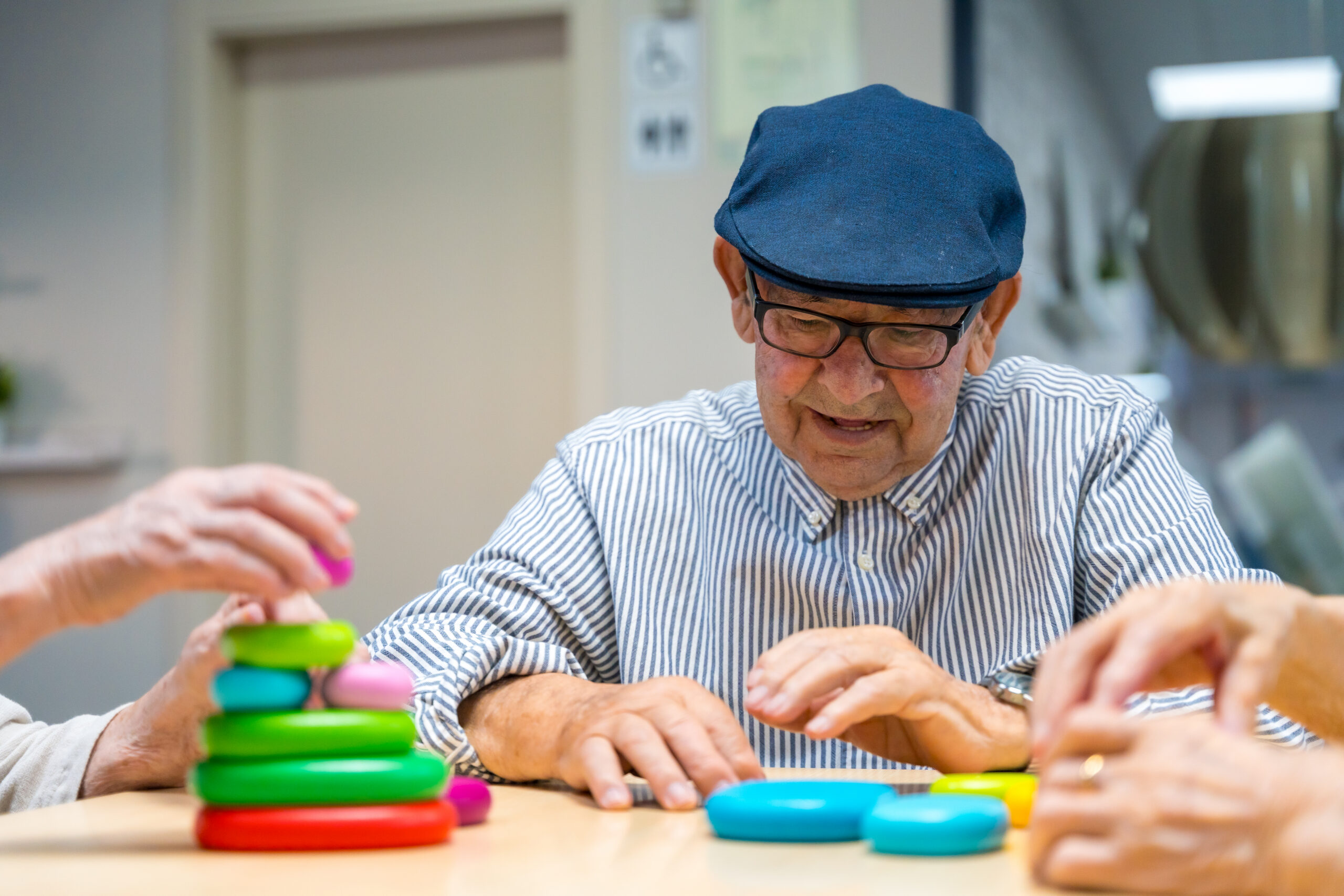

Why Music Matters in Dementia
Dementia affects millions of people worldwide and remains one of the greatest health and social care challenges of our time. While there is currently no cure for most forms of dementia, growing research demonstrates that music can play a powerful role in supporting wellbeing, communication, memory and quality of life for people living with the condition.
Across care homes, hospitals, community settings and family homes, music is increasingly being recognised not simply as entertainment, but as a valuable non-pharmacological intervention that can enhance the lives of people living with dementia.
At Play Marimba Centre for Culture & Wellbeing, we believe music has the unique ability to connect people to themselves, their memories and the people around them. While words may become difficult, rhythm, melody and emotion often remain accessible.
The Relationship Between Music and the Brain
One of the most remarkable aspects of dementia is that musical memory can remain relatively preserved even when other cognitive functions decline.
Researchers have found that people living with Alzheimer’s disease may continue to recognise familiar songs and respond emotionally to music long after other memories have become difficult to access. Studies suggest that parts of the brain involved in musical processing can remain functional even as dementia progresses.
This helps explain why an individual who struggles to remember the names of family members may still sing every word of a favourite song from childhood or respond emotionally to music from significant life events.
Music engages multiple regions of the brain simultaneously, including areas associated with:
- Memory
- Emotion
- Movement
- Language
- Attention
- Social connection
This makes music a uniquely powerful tool in dementia care.
What the Evidence Tells Us
The evidence supporting music-based interventions in dementia care continues to grow. A major review published in Alzheimer’s Research & Therapy found that music therapy may positively impact cognitive functions such as memory, attention and executive functioning in people living with Alzheimer’s disease.
Other systematic reviews have demonstrated benefits including:
- Reduced anxiety
- Reduced depression
- Reduced agitation
- Improved mood
- Increased social engagement
- Enhanced communication
- Greater participation in activities
Research published in Frontiers in Neuroscience found that music-based interventions were among the most effective non-pharmacological approaches for reducing behavioural symptoms associated with dementia, particularly agitation and anxiety. A 2025 Cochrane Review concluded that music-based therapy may improve depressive symptoms in people living with dementia and contribute positively to overall wellbeing.
Importantly, these interventions are low-risk, person-centred and can often be delivered alongside existing care approaches.
Music and Autobiographical Memory
One of the most powerful effects of music in dementia care relates to autobiographical memory.
The World Health Organization’s review of arts and health evidence found that the most consistent benefit of music for people living with dementia was its ability to stimulate personal memories.
A familiar song can transport someone back to a wedding day, childhood home, church service or important family event. These moments of recognition often create opportunities for communication, storytelling and meaningful interaction with family members and carers. For healthcare professionals, this is significant. When verbal communication becomes challenging, music can provide an alternative route to connection.
Beyond Listening: The Power of Active Participation
While listening to familiar music can be beneficial, research suggests that active participation may offer additional advantages.
Activities such as:
- Singing
- Drumming
- Clapping rhythms
- Playing percussion instruments
- Group music-making
can support social interaction, confidence and emotional wellbeing.
Studies examining active music-making among older adults have reported improvements in:
- Social cohesion
- Sense of belonging
- Enjoyment
- Confidence
- Emotional wellbeing
- Cognitive stimulation
Group musical experiences also help address one of the greatest challenges associated with dementia: isolation. Music creates opportunities for shared experiences between residents, carers, family members and healthcare professionals.
Why This Matters for Care Homes
Care homes increasingly recognise the importance of meaningful activities that go beyond passive entertainment.
The most effective dementia activities are often those that encourage:
- Participation
- Choice
- Personal connection
- Emotional engagement
- Social interaction
Music naturally supports all of these outcomes. For residents living with dementia, a music session can become more than an activity. It can become an opportunity to reconnect with identity, memories, relationships and joy. For care teams, music can help create calmer environments, encourage engagement and provide valuable moments of positive interaction.
Why This Matters for Healthcare Providers
Healthcare systems continue to explore non-pharmacological approaches that support wellbeing and person-centred care.
Music-based interventions align closely with:
- Social prescribing initiatives
- Personalised care models
- Dementia-friendly communities
- Integrated care approaches
- Wellbeing-focused healthcare delivery
Research suggests that music can help promote positive mood and social connection, even in advanced stages of dementia. As healthcare providers seek approaches that improve quality of life while reducing reliance on medication where appropriate, music offers a promising and evidence-informed option.
The Role of Culture in Dementia Care
An often-overlooked aspect of dementia care is cultural identity. Music linked to a person’s heritage, faith, community and life experiences can be especially meaningful. At Play Marimba Centre for Culture & Wellbeing, we use African marimba music not only as a musical experience but as a vehicle for connection, participation and cultural celebration.
Our approach encourages movement, interaction and shared joy while recognising the importance of personal histories and cultural experiences.
Looking Ahead
As dementia prevalence continues to rise, the need for compassionate, evidence-informed and person-centred approaches becomes increasingly important. Music is not a cure for dementia. However, growing evidence suggests that it can support memory, improve mood, reduce distress and create meaningful moments of connection. Perhaps most importantly, music reminds us that even when cognitive abilities change, the capacity for joy, emotion, creativity and human connection remains. For people living with dementia, those moments matter and sometimes, those moments begin with a song.
References
World Health Organization. Arts and Health Evidence Review:
https://www.who.int/europe/publications/i/item/9789289054553
Music and Dementia – Dementia UK:
https://www.dementiauk.org/information-and-support/living-with-dementia/music-and-dementia/
Bleibel M. et al. (2023). The Effect of Music Therapy on Cognitive Functions in Patients with Alzheimer’s Disease:
https://alzres.biomedcentral.com/articles/10.1186/s13195-023-01214-9
Leggieri M. et al. (2019). Music Intervention Approaches for Alzheimer’s Disease:
https://www.frontiersin.org/articles/10.3389/fnins.2019.00132/full
Lam H.L. et al. (2020). Effects of Music Therapy on Patients with Dementia:
https://pmc.ncbi.nlm.nih.gov/articles/PMC7709645/
Hallam S. et al. (2016). Active Music Making and Wellbeing in Older Adults:
https://pmc.ncbi.nlm.nih.gov/articles/PMC5330343/
Cochrane Review (2025). Music-Based Therapy and Dementia:
https://www.cochrane.org/about-us/news/music-based-therapy-may-improve-depressive-symptoms-people-dementia