

The History and Cultural Significance of the African Marimba
The marimba, a resonant and rhythmic instrument, holds a deep cultural significance in various African societies. Though often associated with Latin American music, the marimba has African roots that date back centuries. This article explores the history of the marimba, its evolution, and its cultural impact on African communities and beyond.
Origins of the Marimba in Africa
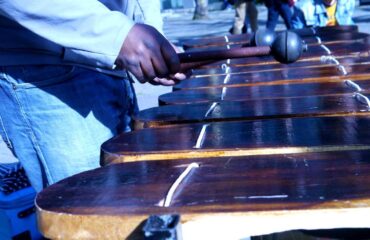
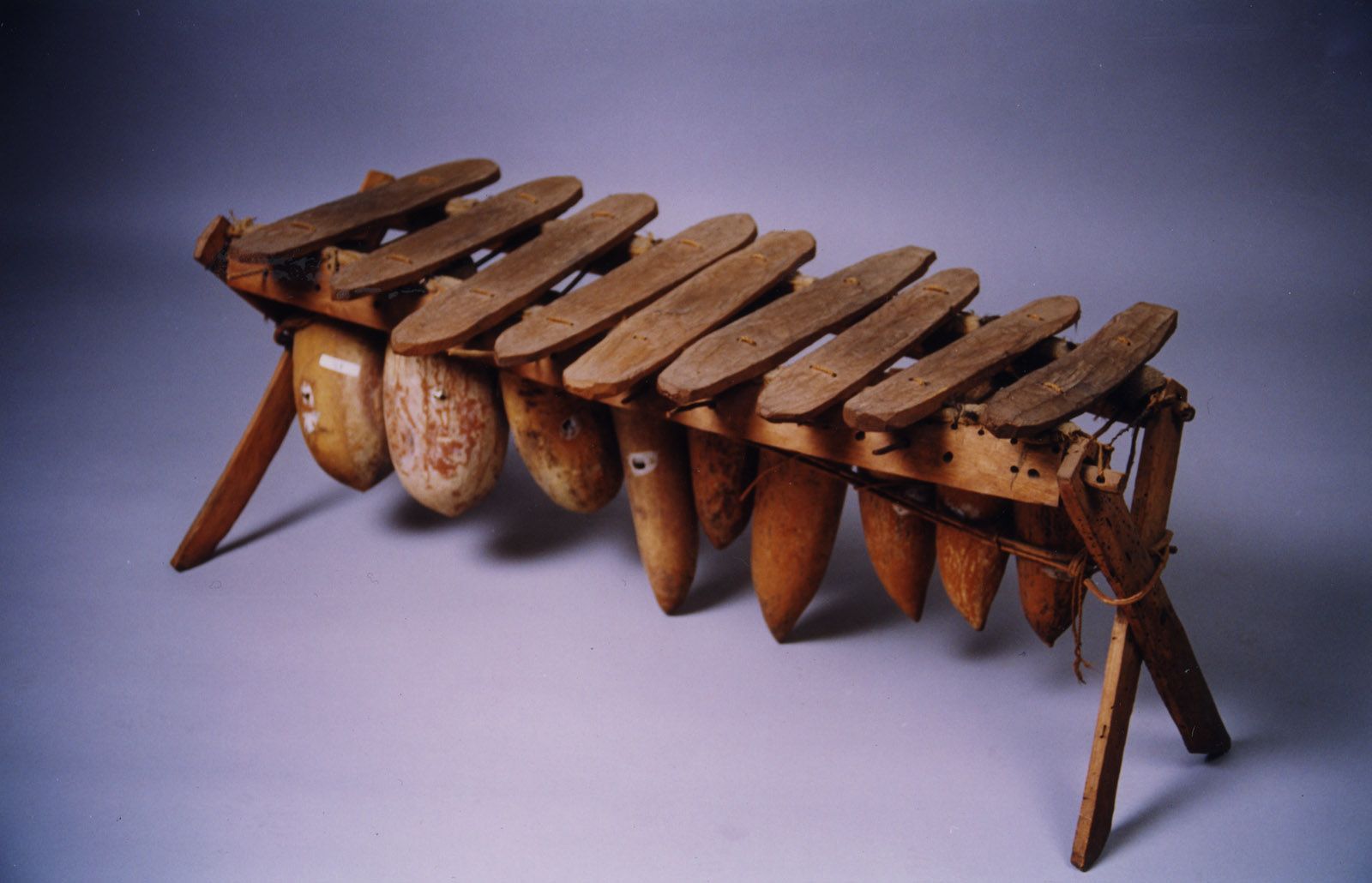
The marimba traces its origins to sub-Saharan Africa, where early forms of the instrument were crafted from wooden bars and gourds. African marimbas, often referred to as xylophones or balafons in different regions, were played by various ethnic groups, including the Mandé of West Africa and the Shona people of Zimbabwe. These early marimbas were typically made from hardwood, such as rosewood or mahogany, with resonators crafted from hollowed-out gourds to amplify the sound.
The instrument was traditionally used in communal settings, such as celebrations, storytelling, and spiritual ceremonies. It played a vital role in passing down oral histories and connecting communities through rhythm and melody.
The Spread of the Marimba
The marimba’s journey beyond Africa began with the transatlantic slave trade. African musicians carried their musical traditions with them to the Americas, where the instrument was adapted and evolved. In Central and South America, particularly in Guatemala and Mexico, the marimba became a national symbol, incorporating new materials like metal resonators and expanding its range. Despite these modifications, the instrument retained its rhythmic and percussive essence, a testament to its African heritage.
Cultural Significance in African Societies
In Africa, the marimba continues to be a symbol of joy, unity, and heritage. In Zimbabwe, the marimba is a staple in traditional and contemporary music, often played alongside drums and other percussive instruments. Marimba ensembles perform at weddings, festivals, and ceremonies, bringing people together through intricate polyrhythms and dynamic harmonies.
Many African communities use marimba music for storytelling, with melodies and rhythms conveying emotions and narratives that words alone cannot express. The instrument also serves as a tool for education and cultural preservation, ensuring that younger generations stay connected to their musical roots.
Modern Adaptations and Global Influence
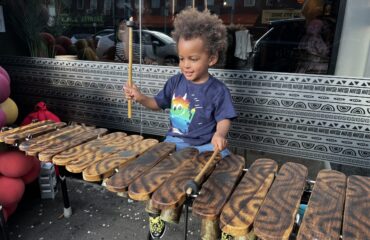
Today, the marimba has transcended its traditional roots, finding a place in jazz, classical, and contemporary world music. African marimba groups have gained international recognition, blending traditional melodies with modern influences to create unique and captivating sounds. Schools and music programs around the world incorporate marimba training, further cementing its role in global music culture.
Additionally, African musicians and instrument makers continue to innovate, crafting marimbas with new materials and tuning systems to enhance their versatility. This evolution keeps the instrument relevant while honouring its rich history.
Conclusion
The African marimba is more than just a musical instrument—it is a bridge between generations, cultures, and continents. Its deep-rooted history, vibrant sound, and cultural significance continue to inspire musicians and audiences worldwide. As marimba music evolves, it remains a powerful symbol of joy and unity, carrying forward the legacy of African musical traditions for generations to come.