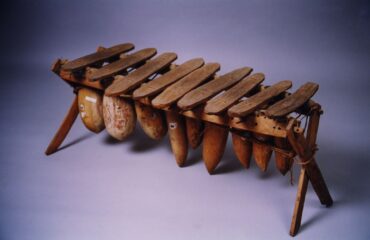

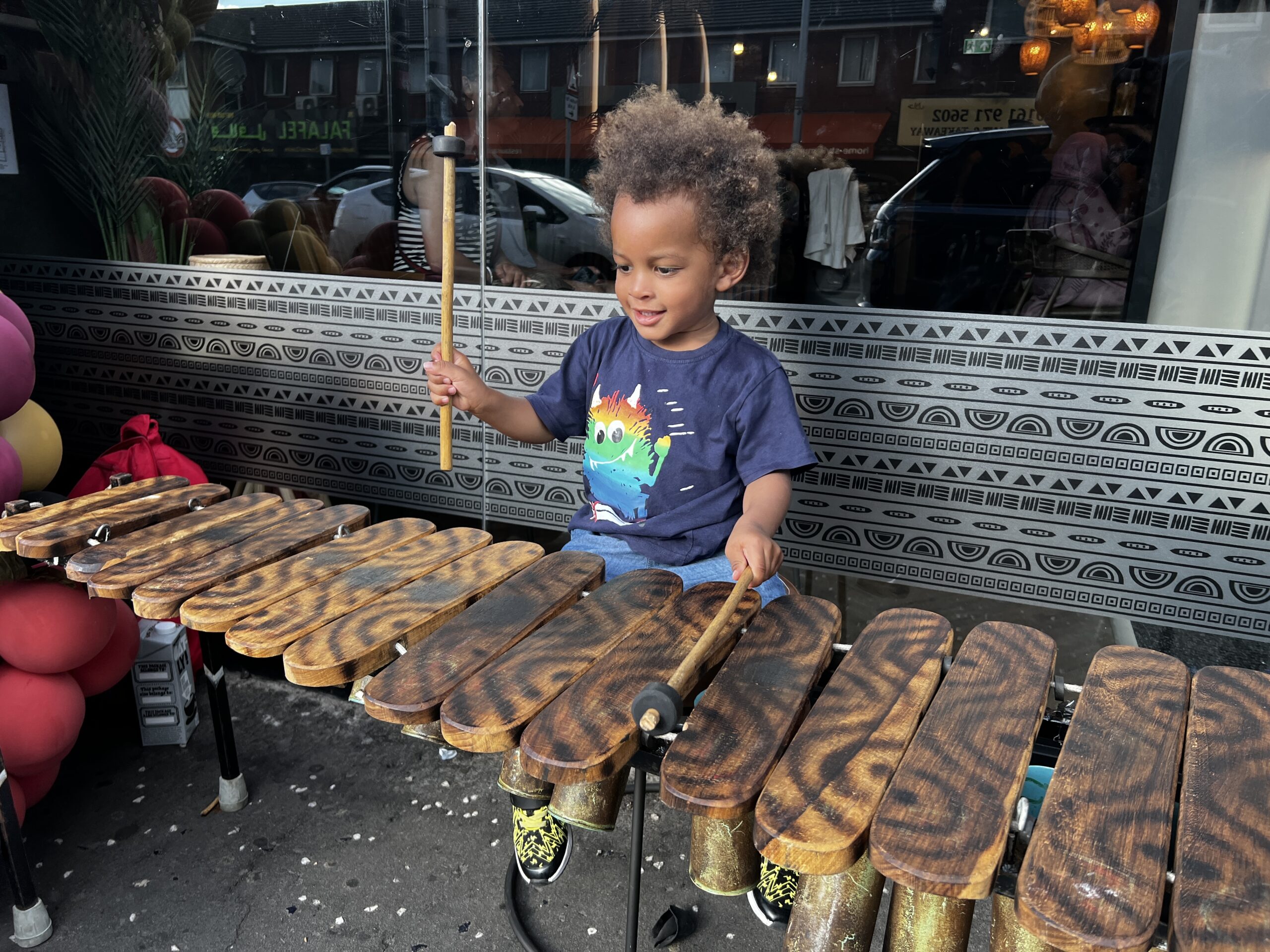

The African marimba is not just an instrument; it’s a dynamic expression of rhythm, melody, and cultural heritage. From traditional village ensembles to modern concert stages, mastering the marimba involves a blend of historical techniques, diverse playing styles, and innovative approaches. This article explores key marimba techniques, the variety of styles found across Africa, and contemporary innovations that continue to shape the instrument’s evolution.
Traditional Techniques
Mastering the African marimba begins with understanding its traditional playing techniques. Unlike Western mallet instruments, African marimbas are often played with a combination of wooden mallets and hand techniques. Here are some foundational techniques:
- Single-Stroke Playing: This is the most basic technique, involving striking the bars with mallets to produce clear, resonant tones.
- Polyrhythmic Patterns: African marimba music often features complex polyrhythms—multiple rhythms played simultaneously—requiring precise timing and coordination.
- Interlocking (Kushaurwa and Kutsinhira): In many African traditions, especially among the Shona of Zimbabwe, marimba players use interlocking patterns where different musicians play complementary parts that weave together to form intricate textures.
- Damping Techniques: Players use their hands or mallets to mute the bars quickly, creating staccato effects that add rhythmic variety.
- Buzzing Resonators: Some traditional marimbas incorporate buzzing membranes (like spider egg sacs) attached to the resonators, adding a distinctive timbre that enhances the percussive quality of the music.
Regional Styles Across Africa
African marimba styles vary widely across the continent, reflecting the rich diversity of musical traditions:
- Zimbabwean Marimba: Characterized by interlocking patterns, call-and-response melodies, and polyrhythms. Often played in large ensembles, Zimbabwean marimba music emphasizes community participation.
- West African Balafon: The balafon, a precursor to the marimba, is played with padded mallets and features pentatonic scales. Its style is closely linked to griot storytelling traditions.
- Chopi Timbila (Mozambique): The timbila orchestra features multiple sizes of marimbas playing highly structured compositions. This style is known for its complexity and use of cyclical patterns.
- Ugandan Akadinda and Amadinda: These large xylophones are played by multiple musicians simultaneously, creating dense, interlocking rhythmic textures.
Modern Innovations
As marimba music has spread globally, modern innovations have expanded the instrument’s possibilities:
- Chromatic Marimbas: While traditional African marimbas are often diatonic, modern marimbas include chromatic scales, allowing for a broader range of musical expression.
- Fusion Genres: African marimba is increasingly integrated into jazz, classical, and popular music, blending traditional rhythms with contemporary styles.
- Amplification and Electronic Effects: Some musicians experiment with electronic amplification and effects pedals to create new sonic landscapes.
- Educational Programs: Marimba ensembles are now a staple in music education worldwide, teaching rhythm, coordination, and cultural appreciation to students of all ages.
Tips for Mastering the Marimba
For those looking to master the African marimba, here are some essential tips:
- Practice Polyrhythms: Start with simple patterns and gradually add complexity.
- Focus on Timing: Use a metronome to develop precise rhythmic accuracy.
- Listen and Imitate: Study recordings of traditional marimba music to understand different styles.
- Play in Groups: Marimba music is inherently social—playing with others enhances your rhythmic sensitivity and musicality.
- Explore Improvisation: While many traditional pieces are structured, improvisation is a key part of marimba music, allowing personal expression within rhythmic frameworks.
Conclusion
Mastering the African marimba is a journey that blends technical skill, cultural understanding, and creative exploration. Whether rooted in traditional village rhythms or pushing the boundaries of contemporary music, the marimba remains a vibrant and versatile instrument. Its enduring appeal lies in its ability to connect people through the universal language of rhythm and melody, celebrating both heritage and innovation.