

The marimba is more than just an instrument; it is a vessel of joy, connection, and cultural expression. Its vibrant melodies and rhythmic patterns resonate deeply within communities, creating shared experiences that transcend language and cultural barriers. This article explores how marimba music uplifts communities, fosters social bonds, and spreads happiness across generations and geographies.
A Universal Language of Joy
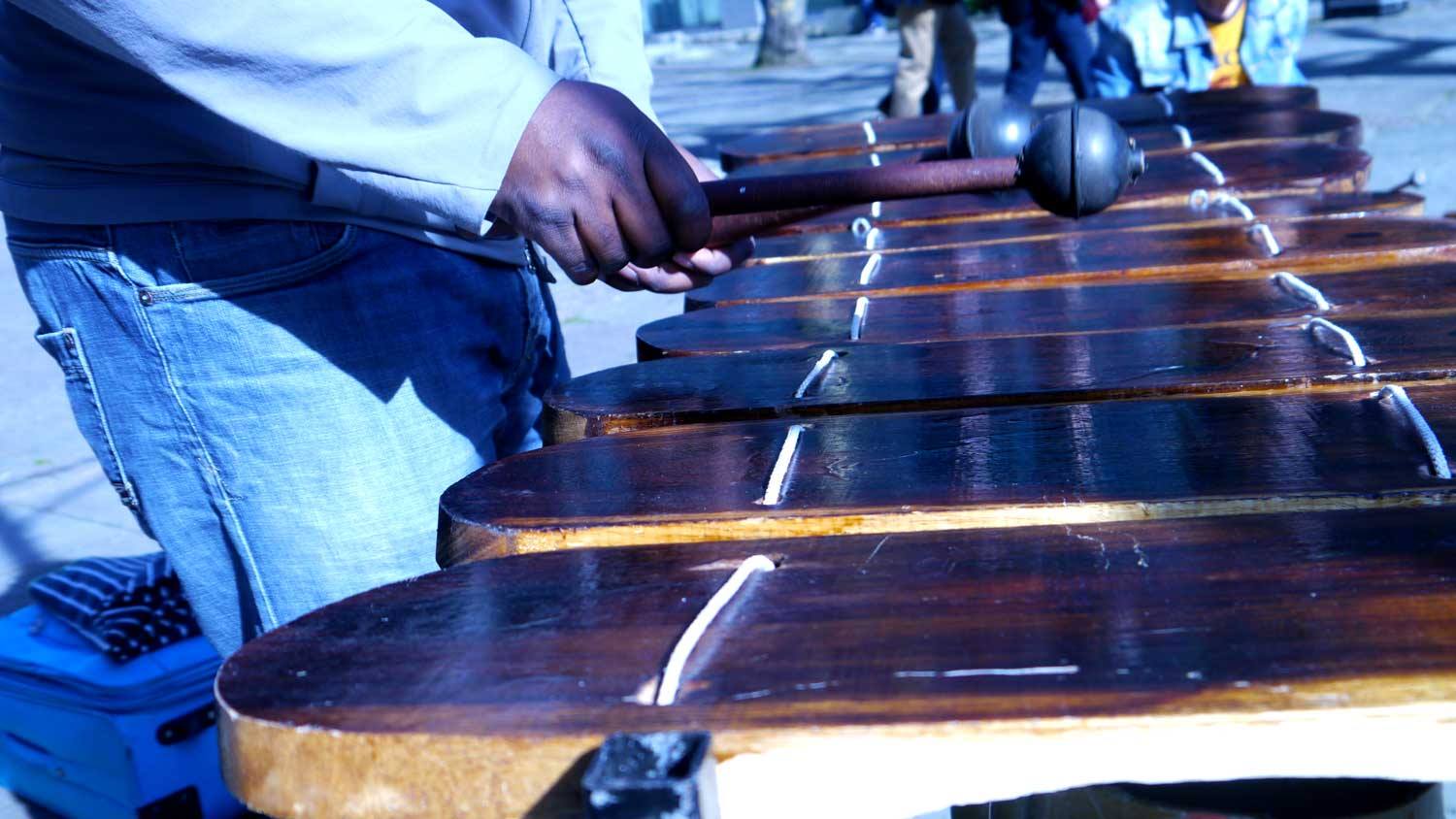
Marimba music speaks a universal language. Its bright, melodic tones and dynamic rhythms evoke emotions that words often cannot capture. Whether played at a festival, a family gathering, or a street performance, the marimba has the unique ability to bring people together, inspiring dance, laughter, and a sense of unity.
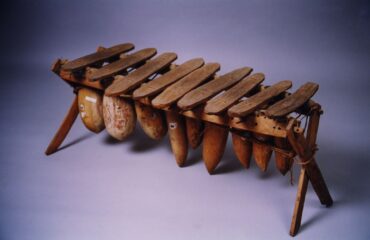
In many African cultures, marimba music is integral to communal life. It accompanies important life events such as weddings, births, and rites of passage, marking these occasions with celebratory sounds that foster a sense of belonging and cultural identity.
Fostering Community Connections
One of the marimba’s most powerful qualities is its ability to create connections. Marimba ensembles often involve multiple players, each contributing to intricate, interlocking rhythms. This collaborative nature promotes teamwork, mutual respect, and a shared sense of purpose among musicians.
In community settings, marimba workshops and group performances encourage participation from people of all ages and backgrounds. Learning to play the marimba fosters not only musical skills but also social interaction, cooperation, and cultural appreciation. These experiences strengthen community ties and nurture a spirit of inclusivity.
Healing Through Rhythm
Marimba music also holds therapeutic potential. The instrument’s resonant tones and repetitive rhythms can have a calming, meditative effect, reducing stress and promoting mental well-being. In some African traditions, marimba music is used in healing ceremonies, where its vibrations are believed to restore balance and harmony to both individuals and communities.
Modern music therapy programs have embraced the marimba for its accessibility and uplifting sound. Group drumming and marimba sessions are used to support emotional healing, enhance cognitive development, and improve social skills, particularly in educational and healthcare settings.
Inspiring Future Generations
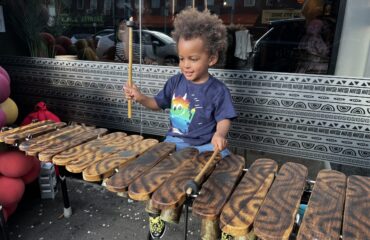
For many young people, discovering the marimba can be a transformative experience. Its engaging sound and hands-on playing style make it an appealing entry point into the world of music. Schools and youth programs that incorporate marimba music provide opportunities for creative expression, cultural education, and personal growth.
By passing down marimba traditions, communities preserve their cultural heritage while inspiring new generations of musicians. This continuity ensures that the joyful spirit of marimba music endures, adapting to contemporary contexts while honoring its roots.
Global Impact and Cultural Exchange
While the marimba has deep African roots, its joyful sound has spread across the globe, influencing diverse musical genres and cultures. From Latin American marimba bands to contemporary world music ensembles, the instrument bridges cultural divides and fosters global connections.
International marimba festivals, cross-cultural collaborations, and online platforms have expanded the reach of marimba music, allowing communities worldwide to share in its uplifting energy. Through these exchanges, the marimba continues to inspire creativity, promote cultural understanding, and celebrate the universal power of music.
Conclusion
The marimba is more than an instrument; it is a catalyst for joy, connection, and community. Its rhythms echo through time and space, uniting people in celebration, healing, and shared humanity. As marimba music continues to evolve and spread, it carries with it the timeless message that joy is a universal language, and music is its most powerful voice.